

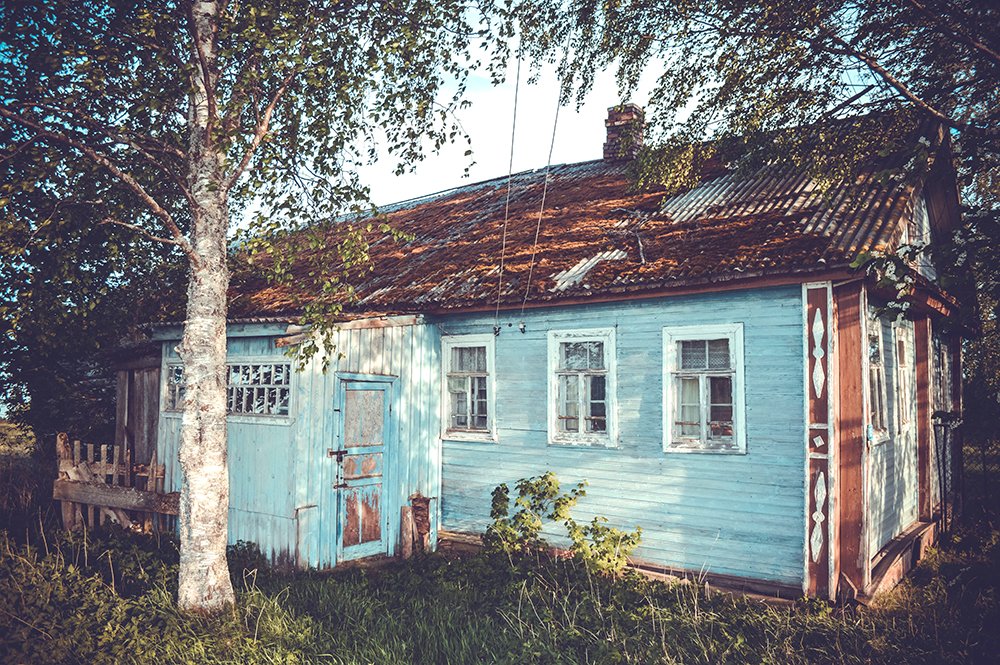
“Good bones” is usually something people say when a house needs work, but they do not think the house is a disaster.
That is the plain version. It does not mean the home is move-in ready. It does not mean the kitchen is good, the bathrooms are updated, or the whole place has been lovingly maintained by someone with unlimited money and great taste. It usually means the finishes are tired, the yard may need help, the paint is probably bad, and some updates are clearly needed, but the underlying house still seems worth working on.
In Seattle, that distinction matters a lot because so many homes are older, altered, remodeled in pieces, or sitting on lots that come with their own issues. A house can be dated in a normal way and still be a really good house. Another house can have new counters, new paint, and a decent listing photo package while hiding bigger problems in the layout, drainage, roofline, foundation, or systems.
That is what “good bones” should really mean: the house needs improvement, but there does not appear to be a major underlying issue that changes the whole math.
The first thing to look at is the layout. A dated house with a good layout can be a great starting point because most cosmetic work can happen over time. Old cabinets, worn counters, ugly lights, tired paint, and a bathroom from another era are all fixable. A bad layout is different. If the kitchen is in the wrong place, the stairs are awkward, the bedrooms barely work, the dining area is imaginary, or an addition created some strange leftover space in the middle of the house, that is not just a weekend project.
Seattle has a lot of houses where the finishes are old but the basic house still works. A normal living room, a real dining area, a kitchen that connects to the rest of the main floor, bedrooms that feel like actual bedrooms, decent ceiling height, and some useful storage can make a dated home feel very workable. I’d take that over a shiny remodel that still leaves you wondering where normal life is supposed to go.
Light matters more here than people sometimes realize. Seattle already has enough gray months that a dark house can start to feel dark fast. Some homes just have better natural light because of their orientation, window placement, ceiling height, lot position, or how close the neighboring houses are. A house with old finishes and good light can still feel alive. A house with new finishes and poor light can feel flat, especially in winter.
Listing photos can hide this. Bright editing, every lamp turned on, and a sunny afternoon can make a house look better online than it feels in person. During a showing, it is worth noticing whether the house actually has natural light or whether it is being propped up by bulbs and camera settings.
Structure, foundation, and drainage are where the phrase starts to mean something real. A house can need updates and still be a strong candidate if the foundation looks reasonable, the floors feel solid, the lot is graded in a way that makes sense, and water is being directed away from the house. On the other hand, a cute house with chronic moisture, foundation movement, failing retaining walls, or a history of weird structural changes is a different kind of project.
Seattle water problems are usually pretty practical. Look at where the downspouts go. Look at whether the yard slopes toward the house. Look at the side yards, old concrete paths, patios, retaining walls, and basement walls. A damp smell or staining does not automatically mean the house is bad, but it does mean you need to understand what is going on before calling it “potential.” There is a big difference between a house that needs better gutters and grading and a house that has been fighting water for decades.
The roofline is another thing buyers can overlook. A simple roofline is not exciting, but boring can be good. Complicated rooflines, low-slope sections, odd dormers, strange additions, and awkward transitions all create more places for water and maintenance problems to show up. That does not make them automatic dealbreakers, but they deserve a closer look. A good-bones house does not need a perfect roof, but the roof and structure should make sense.
Systems are part of the same conversation. Electrical, plumbing, sewer, furnace, water heater, roof, windows, insulation, and ventilation all matter, but “good bones” does not have to mean everything is new. A house can need a new panel, a future roof, sewer work, or plumbing updates and still be worth improving if the price reflects it and the rest of the house makes sense. The issue is when too many unknowns stack up at once: questionable wiring, mystery plumbing, poor drainage, an odd addition, an aging roof, and a layout that does not work. At that point, “good bones” may just mean “expensive project.”
The lot is part of the bones too. In Seattle, the land often decides how well the house lives. Is the yard usable, or is it mostly slope? Is there alley access? Is there a reasonable place for bikes, tools, dogs, garden stuff, or future work? Does the house sit well on the lot, or does everything feel squeezed, dark, steep, or awkward? Are the trees helping the property, or are they blocking light, pushing roots, and making maintenance harder?
This comes up all over the city. Queen Anne, West Seattle, Phinney Ridge, Magnolia, Leschi, Ravenna, Ballard, and plenty of other neighborhoods have homes where the lot is part of the story. A smaller house on a good lot can sometimes be a better long-term play than a larger house on a compromised one. Not always, but often enough that it is worth slowing down and looking at the property as a whole.
A good-bones house also depends on the buyer. For one person, it might mean paint, floors, fixtures, and a kitchen update over time. For another, it might mean a bigger project with an older but logical layout and a lot of upside. The important thing is separating normal improvement from work that changes the entire budget.
Cosmetic work is one category: paint, refinishing floors, new fixtures, appliance updates, landscaping cleanup, cabinet changes, and bathroom refreshes. Bigger work is another category: drainage, sewer, foundation, roof structure, electrical, major plumbing, retaining walls, bad additions, failed decks, or moving walls. A house can still be worth buying with some bigger-ticket items, but the price and offer strategy need to reflect that.
For sellers, “good bones” should be backed up with specifics. If the home has a useful layout, good natural light, a dry basement, updated electrical, a newer roof, alley access, off-street parking, a flat yard, or a solid maintenance history, those details matter. Do not just call it charming or full of potential and expect buyers to connect the dots. Show why the house is worth improving.
For buyers, the best way to read “good bones” is to ask what needs work and what does not. Dated kitchen, fine. Bad layout, bigger issue. Old bathroom, manageable. Chronic water intrusion, much bigger issue. Ugly paint, who cares. Failing retaining wall, care a lot. The point is not to find a perfect house. The point is to understand whether the imperfect house has the right things going for it.
A Seattle house with good bones should feel like the problems are real but solvable. It may need updates, maybe a lot of them, but the layout, light, lot, structure, and major systems should give you enough confidence that the work is worth doing. That is the useful read of the phrase. It needs improvement, but it does not look like there is an underlying major issue waiting to eat the whole budget.
If you're buying a home in Seattle, visit my Seattle buying guide. If you are thinking of selling your home, start with my selling roadmap. Browse Seattle neighborhoods or learn more about me.