

Alki is one of those places that means something different depending on whether you grew up around it, visit once in the summer, or actually live nearby.
I grew up in West Seattle, so Alki has always been part of the local map for me. It was never some huge destination you planned weeks around. It was where you went to walk, ride bikes, get food, meet people, look at the water, or just kill time when the weather was decent. That’s still a big part of what makes it great. It’s one of the few places in Seattle where you can get that long, open waterfront feeling without leaving the city.
During the day, especially on a quieter morning, Alki is hard to beat. Seattle Parks’ Alki Beach Park page describes it as a long beach strip along Elliott Bay, and that long linear layout is a big part of why it works so well. The path is good for walking, biking, skating, pushing a stroller, or just getting outside for a little while.
At low tide, it’s especially good with kids because the beach opens up and there’s actually something to explore. Rocks, shells, driftwood, wet sand, little crabs, tide pools, and all the random details that make a cold Northwest beach more interesting than it looks from a distance. It’s not a warm resort beach, but that’s not really the point. It’s more Seattle than that. Sweatshirt weather, cold water, ferries in the distance, downtown views, and people acting like the wind isn’t as cold as it actually is.
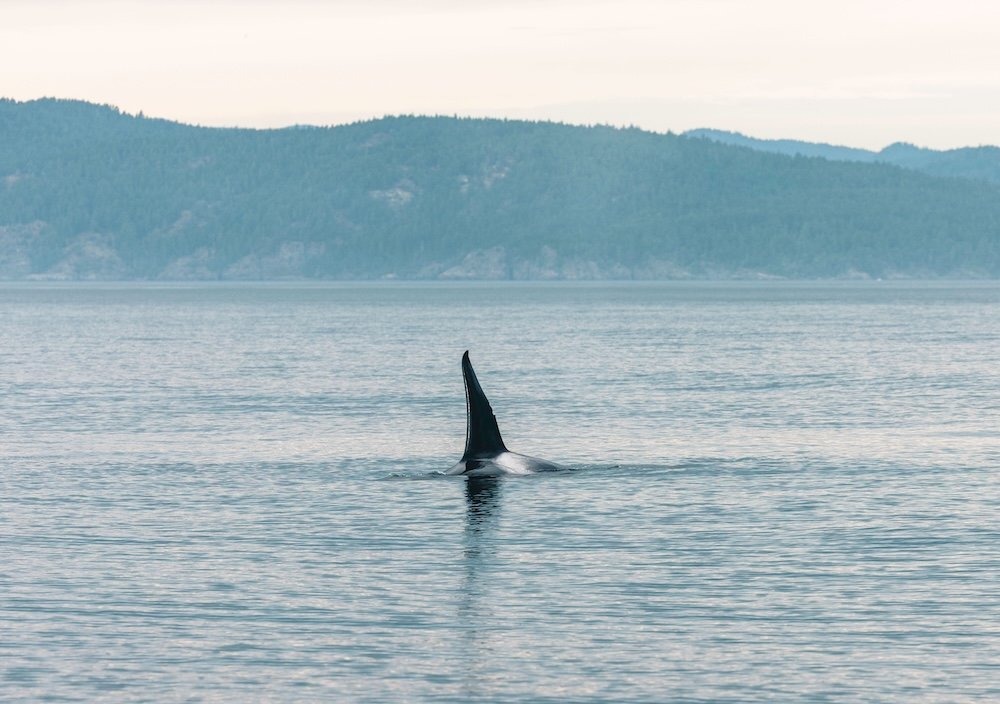
There’s also the wildlife side of it. Alki isn't just a beach path with a skyline view. It’s part of Puget Sound, so you’ll see seals, sea lions, diving birds, ferries, paddleboarders, fishing boats, cargo ships, and sometimes whales moving through. The Whale Trail’s Alki Beach Park guide lists Alki as one of its shore-based whale watching sites and notes that orcas are occasionally seen there, especially in the fall and winter. If you want a feel for what that can look like, here’s a good video of orcas off Alki.
That connection to actual marine life is part of what makes Alki feel different from a generic urban waterfront. Seal Sitters is a volunteer group focused on protecting marine mammals in West Seattle, and their work is very Alki in the best sense. You can be looking at downtown, cranes, and ferries one minute, then everyone on the beach path is stopping because someone spotted wildlife offshore or a seal pup is being protected on the sand.
The paved path is probably the main thing that ties all of this together. The Whale Trail points out that Alki has a jogging and biking path, fire pits, picnic tables, and year-round activity, and that’s basically the experience. You can walk for a long time without much effort, stop for coffee or food, sit on a bench, watch volleyball, look at the skyline, or keep moving toward the water taxi side.
That distinction matters, though. Living in West Seattle and living on Alki aren't the same thing.
If you live in Admiral, the Junction, Gatewood, Morgan Junction, or Fauntleroy, Alki is usually close enough to use all the time without necessarily living in the middle of its busiest stretch. For a lot of people, that’s the sweet spot. You get the amenity without taking on the full intensity of beach traffic, parking pressure, summer crowds, and weekend noise.
Because Alki absolutely gets crowded. In summer, especially on warm weekends, the whole place changes. Parking gets tight, traffic slows down, the path fills up, and the beach becomes a major gathering spot. Families, tourists, cyclists, scooters, rollerbladers, volleyball games, dogs, strollers, food stands, people taking photos, and plenty of people who are mostly there to cruise slowly and be seen.
That cruising culture is a real part of Alki too. Cars, motorcycles, music, groups hanging out, and the general summer-night energy that comes with being one of the most obvious waterfront places in the city. It can be fun. It can also be a lot if you live directly in it. A Tuesday morning in March isn't the same neighborhood as a hot Saturday evening in July, and both versions matter if you’re seriously thinking about living nearby.
Bonfires are another classic Alki thing. Seattle Parks’ rules page says beach bonfires are limited to Alki and Golden Gardens, with fire pits generally available between Memorial Day and Labor Day and unlocked daily at 4 p.m. That’s a very Seattle summer ritual: show up early, claim a ring, bring layers, stay until dark, and remember too late that the beach is colder than you thought.
From a housing standpoint, Alki is also more varied than people sometimes expect. Parts of it are lined with condos and multifamily buildings. Other sections have older houses that held on between newer development, plus townhomes and infill projects that reflect how valuable waterfront-adjacent land has become. A lot of the real estate value here is tied to some combination of water access, views, and the daily feeling of being near the beach.
That also means tradeoffs. More density lets more people live near the water, but it adds pressure around parking, traffic, privacy, and noise. If you’re evaluating an Alki property, I’d want to know not just whether it has a view, but how the area works on an ordinary weekday, a sunny weekend, and a summer night. Parking in Seattle is already a real issue in a lot of neighborhoods, and Alki amplifies it when everyone has the same idea at once.
For families, school changes matter too. Seattle Public Schools’ Alki project page says Alki Elementary is scheduled to open when school starts on Sept. 2, 2026. Schools affect more than enrollment maps. They shape traffic, walking patterns, neighborhood identity, and how people think about staying in a place long term.
That’s the real estate decision with Alki. Some people want the beach outside their front door and are happy to accept the crowds, parking friction, and summer energy that come with it. Other people are better off living a few minutes away in West Seattle and using Alki as a regular neighborhood amenity instead of living directly in the middle of the action.
Neither is wrong. They’re just different lifestyles.
That’s also why I think Alki is one of the best examples of how Seattle neighborhoods work in real life. It’s not just “beach access.” It’s beach access plus traffic, views, wildlife, dogs, low tide with kids, condos, townhomes, summer nights, bonfires, and the specific rhythm of West Seattle. It’s one of the most recognizable parts of the city for a reason, but it’s also very different to visit than it is to own property right next to it.
For a lot of people, the best version may be living somewhere else in West Seattle and being close enough to use Alki whenever they want. For others, the whole point is waking up near the water and being part of that beach rhythm every day.
That’s the real Alki question: how much beach do you actually want in your daily life?
If you're buying a home in Seattle, visit my Seattle buying guide. If you're thinking of selling your home, start with my selling roadmap. Browse Seattle neighborhoods or learn more about me.