

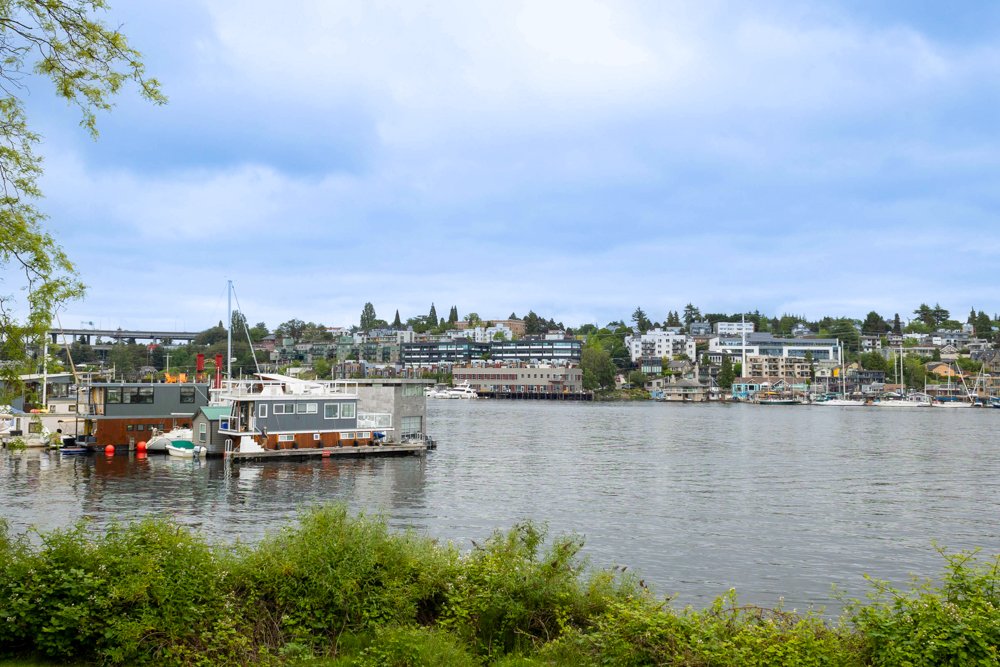
Moving to Seattle from out of state is partly a real estate search and partly a crash course in how the city works.
That’s what makes it interesting. Seattle isn’t laid out like a flat grid where every neighborhood is just a different version of the same thing. Water, hills, bridges, old street patterns, neighborhood business districts, ferry routes, light rail, and older housing stock all shape daily life. A home can make perfect sense for one buyer and feel slightly off for another because the routines are different.
I grew up in West Seattle, went to school here, studied history at UW, lived in the U-District, North Capitol Hill, Capitol Hill, and the Central District, and have family spread across Seattle, the Eastside, and nearby towns. So when I’m helping someone move here, I’m not just thinking about bedrooms, bathrooms, and price. I’m thinking about how the city actually connects.
The first question isn’t usually “what’s the best neighborhood?” It’s “what will your normal week look like?”
That sounds simple, but it changes the search fast. Someone commuting to Fremont will read the map differently than someone going to Bellevue, Redmond, South Lake Union, UW, SeaTac, or working mostly from home. A buyer who wants coffee, groceries, and parks nearby may prioritize a different pocket than someone who wants a quiet street, more yard, and easier parking. Neither is more correct. They’re just different versions of daily life.
Seattle rewards that kind of specificity. “I want to be close to everything” is a start, but it doesn’t tell us much. Close to what? Work? Light rail? A dog park? A grocery store? A ferry? Lake Washington? Alki? Ballard breweries? A school? A bike route? A place where you can walk out the door and feel like you’re in the city, or a place where the house and yard feel calmer at the end of the day?
A good relocation search starts by translating those preferences into actual neighborhoods and blocks. West Seattle can mean a walkable Junction condo, an Admiral house near parks, a Fauntleroy home closer to Lincoln Park and the ferry, a Gatewood street with more quiet, or a Highland Park location with different access and value tradeoffs. Ballard can mean a townhome near restaurants, an older house farther north, or a pocket where parking and traffic feel very different street by street. Queen Anne, Ravenna, Wallingford, Beacon Hill, Columbia City, Magnolia, and the Eastside all have their own versions of this.
The commute piece matters because Seattle geography has a way of turning “nearby” into “depends.” Lake Washington, the Ship Canal, I-5, I-90, 520, Aurora, the West Seattle Bridge, ferries, and light rail all shape how a place feels. A home can look close on a map and still have a route that gets old. Another can look farther away and work better because the routine is cleaner.
That’s especially true for people moving here for work. If you’re relocating for a job in Seattle or the Eastside, it helps to test a few different life patterns before locking onto one area. A Fremont commute feels different from a Bellevue commute. A Redmond commute feels different from a South Lake Union commute. Living near light rail feels different from living near a bridge, and living near a bridge feels different from living near a ferry.
The housing stock is another part of the adjustment. Seattle has a lot of older homes, and that’s part of its character. Craftsman houses, Tudors, bungalows, mid-century homes, split-levels, townhomes, condos, and newer infill all sit close together in a way that can be confusing at first. The right question isn’t whether older or newer is better. It’s what kind of ownership experience you want.
An older Seattle house may give you charm, a yard, a basement, alley access, storage, and future flexibility. It may also come with normal older-home questions: sewer, drainage, roof, electrical, foundation, oil tank history, retaining walls, basement moisture, and past remodels. A newer townhome may offer modern systems, efficient space, and a more central location for the price. It may also ask you to think about stairs, storage, garage usefulness, light, and outdoor space.
Condos have their own rhythm. They can be a great way to land in a more central location with less exterior maintenance, but the unit is only part of the purchase. HOA dues, reserves, insurance, rental rules, pet rules, elevators, parking, storage, building maintenance, and upcoming projects all matter. For some relocation buyers, a condo is exactly the right way into Seattle. For others, the monthly structure or building risk doesn’t match the goal.
This is why I like to talk about homes in terms of fit, not just category. A house, condo, or townhome can all be the right answer if the details support the life you’re trying to build here. The better search is less about chasing one property type and more about understanding the tradeoffs clearly.
Light is another Seattle-specific piece that out-of-state buyers sometimes underrate until they spend a winter here. Natural light, window placement, tree cover, orientation, hill position, and main living spaces can change how a home feels. A bright house on a gray day is a real thing. A darker home can still be a good buy, but it should be part of the decision, not a surprise.
Parking and storage matter more than they sound like they should. Seattle life often comes with bikes, rain gear, tools, garden stuff, strollers, dog supplies, skis, camping gear, and whatever else people bring with them. Some homes absorb that easily. Others look clean in photos because there’s nowhere obvious to put normal life. A garage that works as storage can be valuable even if it doesn’t fit a car. A basement can be a major advantage if it’s dry, accessible, and useful.
Outdoor space also depends on how it lives. A small patio can be great if it connects well to the kitchen or living space. A larger yard can be less useful if it’s steep, shaded, wet, or cut off from the house. A hillside lot can bring views, privacy, and character. It can also bring stairs, drainage, and retaining walls. Seattle lots often have personality. That’s part of the fun, but it’s worth reading carefully.
For buyers moving here from flatter, newer, or more car-oriented markets, the block itself can take some getting used to. Sidewalks, stairs, alleys, dead ends, arterial streets, bus routes, parks, business districts, school pickup zones, and topography all shape how a home feels. Two homes with the same square footage and price can have very different day-to-day appeal because one block works better for the buyer’s actual routine.
Remote touring can be helpful when relocation timing is tight. I like to make those tours practical, not just pretty. Show the street. Show the parking. Show the alley. Show the basement ceiling height. Show the garage. Show the side yard. Show where the garbage goes. Show the walk to the business district or park if that’s part of the appeal. The goal is to help the buyer feel oriented, not just impressed.
Offer strategy is another area where relocation buyers benefit from local context. Seattle can still move quickly when a home is priced well, presented well, and located in a strong pocket. Other homes sit because the tradeoffs are bigger, the price is ahead of the market, or buyers need more confidence. A good search helps you learn the difference so you can move decisively when it makes sense and stay patient when it doesn’t.
That’s important because moving from out of state already comes with enough pressure. You may be starting a new job, selling another home, managing temporary housing, coordinating movers, choosing schools, figuring out childcare, or learning a new commute. The real estate process should make the city clearer over time. Each tour should teach you something.
I’ve helped relocation buyers work through exactly that: starting broad, learning the city, narrowing the search, comparing neighborhoods, understanding what price buys in different pockets, and then acting when the right home appears. Sometimes that means letting go of an early favorite neighborhood because another area fits the week better. Sometimes it means choosing a smaller home in a stronger location. Sometimes it means going a little farther out for light, yard, parking, or calm.
The best relocation search is not about selling someone on Seattle. Seattle will do that on its own if it’s a good fit. The job is helping you understand which version of Seattle fits your life.
For some buyers, that may be a West Seattle house with room for bikes, dogs, and a quieter street. For others, it may be a Ballard or Fremont townhome with restaurants and commute access nearby. It may be a Ravenna or Wallingford older home with character and parks close by. It may be a Columbia City home near light rail. It may be a Queen Anne condo, a Beacon Hill house, a Magnolia view property, or an Eastside home that makes more sense for work and daily logistics.
There isn’t one correct Seattle move. There’s a better-fit move.
If you’re moving here from out of state, the right real estate agent should help you understand the map, the housing stock, the commute patterns, the inspection questions, and the tradeoffs without making the process feel more complicated than it needs to be. You should know why a home works, what to verify, what the likely compromises are, and how it compares with the other options you’ve seen.
That’s how I like to help. I’m local, practical, and interested in the details that shape daily life: hills, bridges, light, storage, basements, parking, older systems, parks, neighborhood centers, and the way a house actually fits a routine. Moving to Seattle is a big decision. The search should help you learn the city well enough to make it with confidence.
Useful references: Seattle Department of Construction and Inspections Property Research, King County Parcel Viewer, Seattle Public Utilities Side Sewer Information, Sound Transit Trip Planner, King County Metro Trip Planner, Washington State Ferries, and NWMLS.
If you're buying a home in Seattle, visit my Seattle buying guide. If you're thinking of selling your home, start with my selling roadmap. Browse Seattle neighborhoods or learn more about me.