

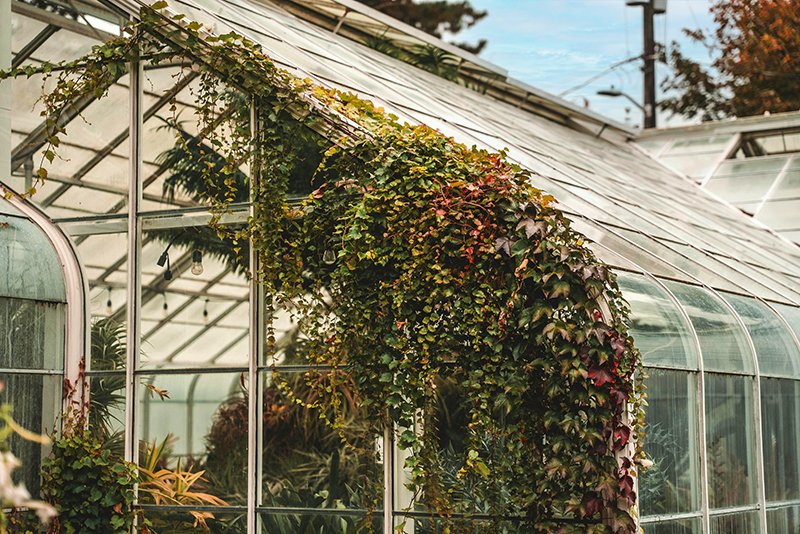
Seattle is an easy place for plants to grow, which is both the good part and the problem.
The rain, mild temperatures, and long growing season mean yards can fill in quickly here. That can be great for privacy, shade, and curb appeal, but it also means the wrong plant in the wrong spot can become a maintenance issue. In Seattle, landscaping isn’t just decorative. It affects moisture, siding, sewer lines, light, privacy, and how much work a home takes to maintain.
A lot of Seattle lots already have mature landscaping, and that’s part of the appeal. Older neighborhoods like Ravenna, Wallingford, Queen Anne, Magnolia, West Seattle, and Laurelhurst often have big trees, layered plantings, old hedges, and yards that have been shaped over decades. That can be beautiful, but it also means the yard has to be read carefully. A tree that gives privacy and shade might also block light, drop debris on the roof, or have roots near the side sewer. Seattle’s trees and utilities guidance specifically recommends planting trees at least 5 feet away from sewer, water, and gas lines, and calling 811 before digging. That matters here because underground utilities and old side sewers are a real part of homeownership.
Sewer lines are one of the biggest reasons landscaping matters in Seattle real estate. Many older homes have aging concrete or clay side sewers, and roots are drawn to small cracks and joints. King County specifically notes that property owners are responsible for maintaining the side sewer that connects the home to the public system, and recommends planting trees and shrubs with low root-damage potential. From a buying perspective, that’s why a sewer scope can be so important. A beautiful mature tree is still a beautiful mature tree, but it’s worth knowing what’s happening underground before assuming the yard is only a positive.
Ivy is another classic Seattle yard problem. It can look charming for about five minutes, especially on an older brick or Craftsman-style home, but it’s usually something I’m cautious about. Ivy against a house can trap moisture, work into cracks, damage siding or trim, and create pest pathways. On trees, it can also become a real problem. Washington’s noxious weed program says English ivy can outcompete native plants and damage or kill trees by shading them out and adding weight to the canopy. The City of Seattle also lists English ivy, Himalayan blackberry, clematis, spurge laurel, English laurel, English holly, European hawthorn, and European mountain ash among invasive plants it recommends avoiding.
The better version of a Seattle yard usually starts with plants that can handle wet winters, dry summers, and partial shade. Native and regionally adapted plants are often the safest long-term bet because they tend to fit the climate without needing constant attention. Oregon grape, salal, sword fern, evergreen huckleberry, red flowering currant, vine maple, Pacific wax myrtle, serviceberry, kinnikinnick, and native grasses can all make sense depending on the site. Swansons Nursery specifically highlights Northwest native trees, shrubs, perennials, and groundcovers as well suited for Northwest urban garden environments.
Shade is a major Seattle consideration. A lot of yards aren't full sun, even if they look bright during a showing. Neighboring trees, fences, hillsides, and nearby homes can change the light dramatically. North-facing yards can stay damp and mossy longer. South- and west-facing yards can dry out faster and support more sun-loving plants. East-facing yards can be a nice middle ground. Before planting anything expensive, it’s worth watching how the light moves through the yard over a normal day.
For shade, ferns, hostas, hellebores, Japanese forest grass, sarcococca, huckleberry, Oregon grape, and salal tend to fit the Seattle feel well. For sunnier spots, lavender, rosemary, ceanothus, ornamental grasses, yarrow, sedum, echinacea, and drought-tolerant perennials can work better. The point isn’t to make every yard native-only or perfectly natural. It’s to choose plants that won’t need constant fighting to survive.
Privacy is another big reason people plant in Seattle, especially as lots get denser and more townhomes are built. Screening plants can be great, but they need to be chosen carefully. Fast-growing hedges can solve a privacy issue quickly and create a maintenance issue later. Laurel is a classic example. It grows fast and creates a wall, but it can get huge, require constant pruning, and some laurel species are considered invasive locally. Bamboo is another one I’d be very cautious with unless it’s properly contained. It can create privacy quickly, but it can also become a neighbor dispute if it starts traveling.
For privacy, I usually like layered planting better than a single aggressive hedge. A mix of small trees, shrubs, and understory plants can create screening without turning the yard into a maintenance battle. Vine maple, serviceberry, Pacific wax myrtle, evergreen huckleberry, camellia, rhododendron, and carefully placed arborvitae can all have a role depending on the property. The key is thinking about mature size. A cute little plant at the nursery can become a constant pruning job five years later if it’s planted too close to the house, sidewalk, fence, or neighbor.
Lawns are their own Seattle topic. A lot of people don’t water heavily here, and it’s normal for grass to brown out in late summer. That doesn’t necessarily mean the lawn is dead. It often comes back when the rain returns. For sellers, a brown summer lawn usually isn’t the end of the world, but a patchy, muddy, poorly drained yard can make a home feel less cared for. For owners, the question is whether the lawn is actually being used. A small lawn for kids, dogs, or entertaining can be great. A high-maintenance lawn nobody uses may not be worth the effort.
If low maintenance is the goal, replacing some lawn with planting beds, groundcovers, gravel paths, mulch, or native plantings can make sense. But “low maintenance” doesn’t mean “no maintenance.” Seattle weeds grow aggressively, leaves pile up, moss shows up, and drainage still needs attention. The best yards here are usually the ones that are designed to be maintained realistically.
Timing matters too. If someone just bought a home, I usually think it’s smart to live with the yard for a little while before making major landscaping decisions. See where water collects in winter. See where the sun hits in summer. Learn which plants are actually doing well and which ones are just surviving. That said, if privacy is important, planting earlier can make sense because shrubs and small trees take time to fill in. A hedge or screening tree planted the year you buy may be much more useful five years later.
For sellers, landscaping is a little different. Planting a bunch of slow-growing shrubs right before listing usually won’t change much. What does help is cleaning up what’s already there. Trim plants away from siding and windows. Remove ivy from the house. Clear paths. Edge beds. Add fresh mulch. Fix drainage issues. Make sure gutters are working. Cut back anything that makes the house feel dark, cramped, or neglected. Curb appeal matters, but in Seattle, buyers are also looking for signs that moisture and landscaping haven’t been quietly damaging the property.
Rental properties are another practical angle. For rentals, the best landscaping is usually durable, simple, and hard to mess up. Complicated gardens can become neglected quickly if tenants don’t maintain them or if responsibility isn’t clearly spelled out. Low-maintenance shrubs, mulch, gravel, hardy groundcovers, and clear access to utilities usually matter more than having the most beautiful plant palette. If there are large trees, aggressive vines, or plants near the sewer line, those need to be monitored because repairs can get expensive fast.
Some plants I’d be cautious with in Seattle yards include English ivy, Himalayan blackberry, English laurel, English holly, invasive clematis, spurge laurel, and running bamboo. Some of these are common because they grow so easily here, which is exactly the problem. They can take over, damage trees, spread into natural areas, or create maintenance headaches for the next owner.
Some plants I generally like for Seattle yards, depending on the site, include sword fern, salal, Oregon grape, evergreen huckleberry, red flowering currant, vine maple, serviceberry, Pacific wax myrtle, kinnikinnick, rhododendron, camellia, hellebore, sarcococca, lavender, rosemary, yarrow, sedum, and ornamental grasses. The right plant still depends on light, drainage, mature size, and proximity to the house.
The bigger point is that landscaping isn't just decoration. In Seattle, plants affect privacy, maintenance, moisture, light, sewer lines, curb appeal, and long-term value. A great yard can make a house feel settled and private. The wrong plants in the wrong place can quietly become expensive.
That’s usually how I look at it when evaluating a property. Not just whether the yard looks nice today, but whether it’s set up to age well.
Useful Seattle-area nurseries and plant sources:
Swansons Nursery
West Seattle Nursery
Sky Nursery
City People’s Garden Store
Molbak’s Garden + Home
Flower World
Wells Medina Nursery
Squak Mountain Nursery
If you're buying a home in Seattle, visit my Seattle buying guide. If you're thinking of selling your home, start with my selling roadmap. Browse Seattle neighborhoods or learn more about me.